

I only had a few days between making the UNOS (United Network for Organ Sharing) transplant list and getting my brand-new, shiny liver. I was very, very sick, and after getting rejected from the list a couple of times, it did not seem likely that a new organ was in my future. I was so sick that I never really thought about the surgery or even recovery, and how my body would be post-transplant.
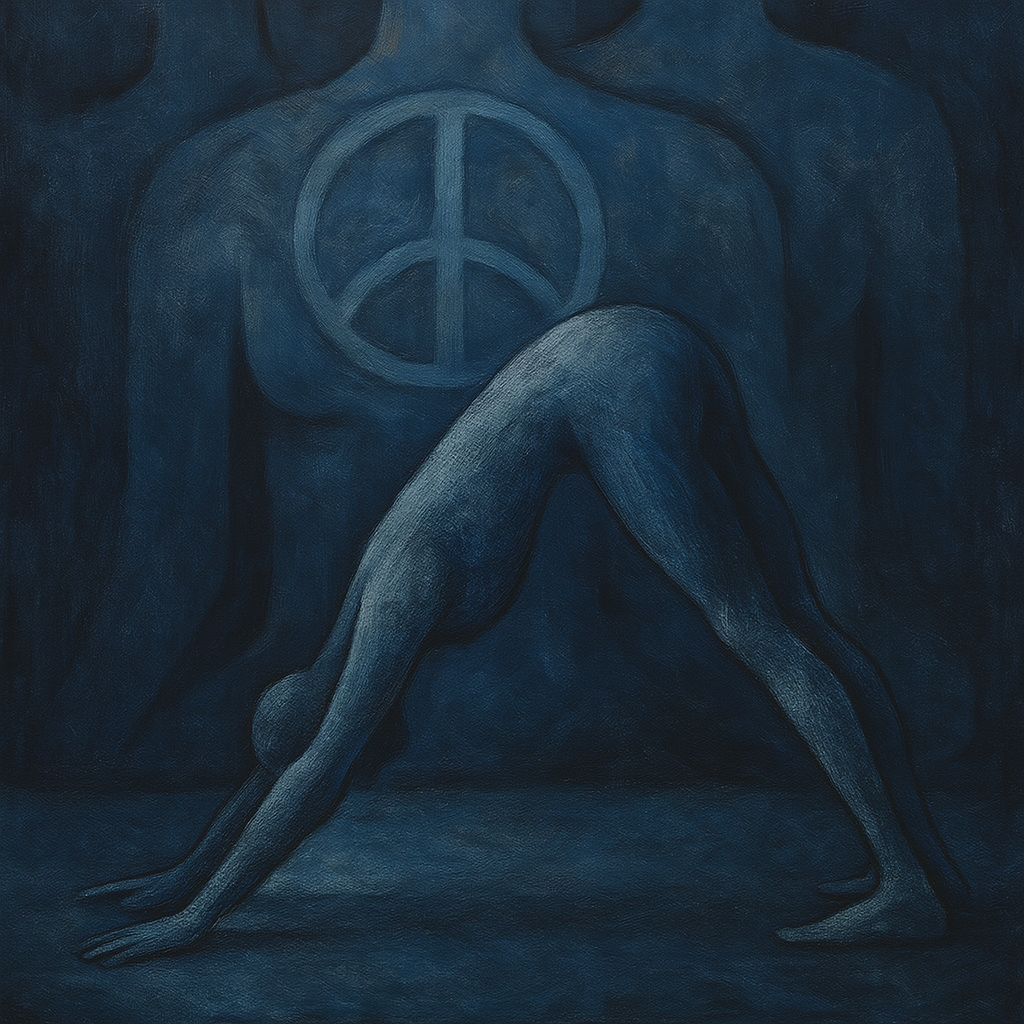
As you can imagine, everything goes through the middle of your body – breathing, sitting up, lying down, walking, laughing, gesturing, even talking. The liver is not the easiest organ to remove or add to the body. It is complicated surgery – through the abdomen, organs need to be moved to get to it; it’s not simple. I came out of my surgery with 77 staples, which formed a lopsided peace symbol across my stomach.
So, after waking up with my midsection slashed and dashed, recovery was hard and painful. But, I learned that there are some things you can do to strengthen your core before surgery and help heal after surgery.
Core strength refers to the stability of the muscles in your midsection. These muscles include not just your abs but also the muscles in your lower back, hips, and pelvis. Think of these muscles like a natural corset, supporting your spine, making everyday movements much easier.
Yoga is something that helped me after my mid-section surgery. Light yoga improved my circulation, which helped to lessen my pain and even swelling. It helped release tension, both muscular and emotional, which calmed my mind and made it easier to relax. And practicing simple stretches can reduce inflammation and minimize pain and swelling associated with the recovery process.
I also found that stretching reduced discomfort and improved circulation. It also reduced scarring and scar tissue, which was important to me.
*As always, surgery patients should check with their surgeon to see if they are ready to start a rehabilitation program and check with your healthcare provider if you experience unexpected pain.